A six-month leadership engagement for the manager layer.
Built around how leaders actually operate under pressure — not how they perform in a workshop.
The manager layer carries more than it used to. More cross-functional dependence, more organizational change, more decisions made without complete information. The expectations have grown; the support around them mostly hasn't.
What actually breaks down
Leadership rarely breaks down from lack of capability. It breaks down under pressure.
When timelines tighten and work depends on others, capable managers default to a recognizable pattern: taking on more than their role. Solving alone instead of pulling others in. Carrying pressure while appearing steady. Reaching for control when ambiguity feels expensive.
These aren't skill gaps. They're how strong people respond to pressure — and they get more limiting as scope grows.
Why most development doesn't change this
Most leadership development produces insight without behavior change.
Workshops generate engagement that fades. 360s surface feedback that doesn't translate. Coaching happens in parallel to the work rather than inside it.
The gap is structural. Nothing connects what a leader notices about themselves to how they actually operate when it counts.
The goal isn't more self-awareness. It's changing how leaders operate when it counts.
What this engagement is
A six-month system for working on leadership inside the actual flow of it.
A Leadership Circle Profile 360 surfaces the patterns shaping how each leader operates. Biweekly coaching is tied to whatever's live in their work that week. Patterns are tracked over time. The leader's manager is integrated throughout.
How it works
A six-month arc, structured but responsive.
01
Diagnose
LCP 360 assessment and manager intake.
02
Focus
Two or three highest-leverage shifts.
03
Build
Biweekly coaching applied to real work.
04
Track
Longitudinal synthesis of patterns and progress.
05
Integrate
Midpoint and closing conversations with the manager.
06
Translate
A final development summary.
What shifts
For the leader
Over six months, leaders begin to pause before acting, make ownership clearer, engage others earlier, and trust the people around them to meet high standards. The shift, in aggregate, is from absorbing pressure individually to working it through the system.
What the organization gets
For the business
Stronger cross-functional collaboration. More consistent leadership across the manager bench. Fewer escalations of issues that could be resolved one level down. And a real read on bench strength — based on observed behavior change, not performance reviews.
Who this is for
Manager through senior director level.
Best fit: technically strong leaders newly stretched into broader scope, in conditions where complexity is outpacing their development. Typical cohort: six to twelve leaders. Individual or cohort format.
- Managers → Senior Directors
- Newly broadened scope
- Individual or cohort
- 6–12 leaders
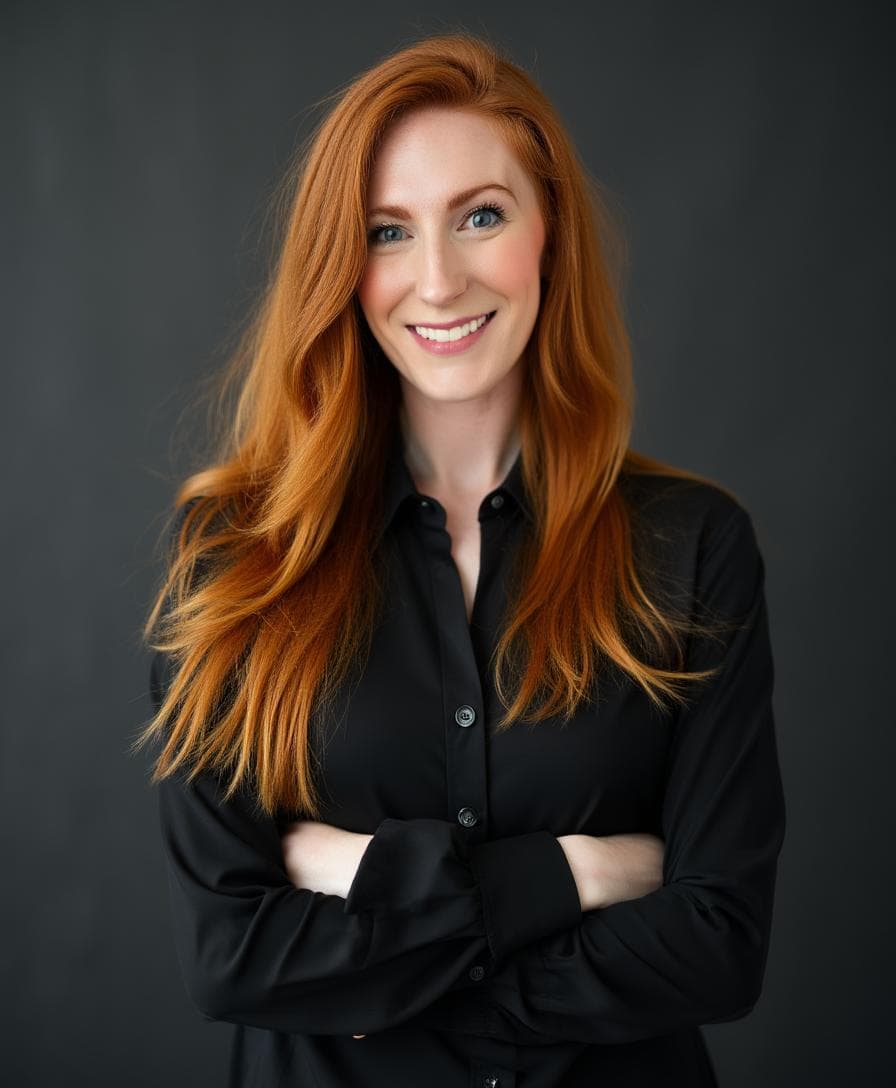
Founder, Florescent Leadership
Katie Jackson
ICF Certified Coach · Leadership Circle Certified Practitioner · M.S. Organization Development, Pepperdine. Twenty years across McKinsey, EY, IBM, and high-growth biotech — bridging strategy and presence in the same room.
If your managers are operating at the edge of their current capability, this is the work that helps them grow into more.
See what six months of this work looked like in practice.
Trusted by leaders at